Human Dignity and Welfare Trust logoHUMAN DIGNITYAND WELFARE TRUST
← All projects

ProjectsSehat Ka Sahara

Healthcare initiative • Sponsorship proposal

Sehat Ka Sahara / Care with someone beside you

A little comfort.
A helping hand.
A way forward.

When a child needs care, a family needs more than an appointment. Help make the next step less overwhelming for children, caregivers and people facing barriers to healthcare.

Five camps · 200 people per camp · 1,000 unique participants.
Proposed 6-9 month programme.

Illustrative proposed volunteer support for healthcare
Care is also companionship.A family should feel
there is someone to turn to.
01Bring care closerFive community camps.
02Help with the next stepAssessed treatment assistance.
03Stay alongside familiesPatient and caregiver support.

The reason to care

A hospital visit can change the rhythm of an entire home.

The missed workday. The unfamiliar corridor. The question a parent is afraid to ask.

Care begins with listening.
Support continues after the camp.

For a family already managing limited resources, finding the right service, arranging travel and understanding the next appointment can feel difficult. A child’s illness can make those everyday worries even heavier.

Sehat Ka Sahara proposes to connect community consultations with practical follow-up and a limited treatment-assistance fund. The trust’s role is to help people access care and navigate barriers; qualified healthcare professionals remain responsible for clinical decisions.

We cannot promise an outcome. We can plan support with care, clarity and dignity.

Three connected areas of support

Closer to care.
Less alone in the journey.

A single cohort of 1,000 people. Treatment and navigation support are planned for subsets of this group, so the numbers are not added together.

01 /

Community Health Camps

A first conversation can open a door.

Five planned camps, each serving a batch of 200 people. The aim is to make an initial clinical conversation and appropriate checks more accessible, while ensuring people know what to do next.

  • Register participants in staggered slots and avoid counting repeat visits as new people.
  • Arrange general and child-health clinicians, nursing support, privacy and suitable facilities.
  • Let licensed clinicians decide which checks, medicines or referrals are appropriate for each person.
  • Provide a written next-step or referral note where needed and a contact for non-clinical follow-up.
What we track: Unique attendance, age-group reach, consultations and referrals issued.
02 /

Treatment Assistance

The next appointment should feel possible.

A provisional reserve for up to 100 participants who need further care: 60 children and 40 adults. These are budgeting assumptions within the 1,000-person cohort, subject to assessed need and available funds.

  • Review the clinician’s recommendation, estimated costs and the family’s financial circumstances.
  • Discuss appropriate government facilities, available assistance schemes or suitable hospital partners.
  • Approve a documented contribution towards eligible treatment, tests or prescribed medicines within the agreed budget.
  • Record invoices and payments; the reserve is partial assistance, not a promise to pay every medical bill.
What we track: Cases assessed, approved amounts, provider documentation and follow-up status.
03 /

Patient & Family Support

Someone beside you through the process.

Plan navigation support for up to 200 people from the same cohort. Help with practical barriers around appointments and hospital visits, with additional attention to children and their caregivers.

  • Help organise appointments, documents, referral information and questions to ask the clinical team.
  • Offer assessed transport support and, for eligible child cases, a caregiver essentials allowance.
  • Follow up after referrals or discharge to identify practical difficulties and connect families back to their clinicians.
  • Keep medical advice and treatment decisions with qualified professionals; volunteers provide practical support.
What we track: Appointments facilitated, travel support, follow-up contact and unresolved barriers.
A connected pathway: registration and consent → clinical consultation and appropriate checks → referral where needed → assessed financial or practical assistance → follow-up.
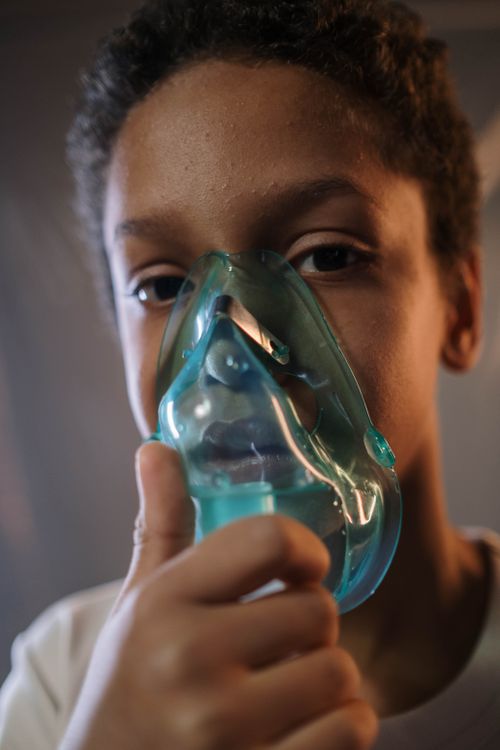
Representative photograph illustrating a child receiving breathing support

A dedicated place for children

Behind a small hand
is a family holding on.

The child’s comfort matters. So does the caregiver’s ability to reach the appointment, ask questions and understand the next step.

For planning, we propose reserving about 400 of the 1,000 camp places for children, with the remaining places for adults. This age mix will be confirmed through community outreach and clinical planning.

  • Child-focused consultationsArrange child-health clinicians, guardian consent, privacy and age-appropriate assessment. The clinical team determines what checks or referrals are suitable.
  • A child-treatment reservePlan partial assistance for up to 60 children after clinical referral and financial review. The ₹15,000-per-case allowance is a budgeting average, not a promised entitlement or full hospital cover.
  • Support for the person beside themPlan caregiver travel or essentials assistance for up to 100 eligible families, coordinated around actual appointments and documented needs.
  • Dignity comes firstNo family must provide a public story or photograph to receive assistance. Personal medical information is not part of routine sponsor reporting.

Five camps. A clear follow-up plan.

1,000 people.
Five carefully planned batches.

5community health camps
200people per camp
100treatment cases budgeted within the cohort
200navigation cases budgeted within the cohort
Camp 01200 participantsIndicative month 2Date & venue pending
Camp 02200 participantsIndicative month 3Date & venue pending
Camp 03200 participantsIndicative month 4Date & venue pending
Camp 04200 participantsIndicative month 5Date & venue pending
Camp 05200 participantsIndicative month 6Date & venue pending

Before each camp

Confirm the clinical lead, child-health capacity, appointment slots, privacy arrangements, referral destinations, medical supplies, waste handling and an emergency escalation process. The proposed team allowance assumes four general clinicians, two child-health clinicians and nursing support; the clinical lead must confirm safe capacity and timing.

During the camp

Register and obtain consent, manage queues and separate clinical triage from financial eligibility review. Offer only clinician-selected checks and prescribed medicines. A screening result is not a final diagnosis; any indicated diagnostic work-up belongs with the clinical provider.

Months 1-6

Use month one for partnerships and outreach. Hold one camp per month in months two to six, with follow-up beginning after each camp rather than waiting until all five are complete. Review activity, referrals and spending monthly.

Optional months 7-9

Continue navigation and assessed follow-up for existing cases, including a limited additional treatment reserve. This extension does not add another five camps or a new beneficiary cohort.

Urgent medical concerns should be directed promptly to appropriate emergency services or a healthcare facility, rather than waiting for a camp or sponsorship approval.

An itemised planning estimate

Make the support concrete.
Keep the spending visible.

Six-month programme₹31,65,750Five camps + treatment and family support
Optional three-month extension₹9,13,500Existing case follow-up and additional support
Full nine-month estimate₹40,79,250Includes 5% contingency in both phases

Six-month core programme

Six-month itemised estimate
ItemQuantity & planning rateEstimate
General clinical team5 camps × ₹20,000₹1,00,000
Child-health clinical team5 camps × ₹15,000₹75,000
Nursing & triage support5 camps × ₹12,000₹60,000
Venue, privacy screens & basic facilities5 camps × ₹10,000₹50,000
Clinical supplies, hygiene & waste handling5 camps × ₹8,000₹40,000
Clinical equipment rental / servicing5 camps × ₹5,000₹25,000
Clinician-selected basic checks allowance1,000 people × ₹200 planning allowance₹2,00,000
Camp-prescribed medicine reserve1,000 people × ₹150 planning allowance₹1,50,000
Outreach, registration & camp logistics5 camps × ₹7,000₹35,000
Referred diagnostic supportUp to 100 cases × ₹1,500₹1,50,000
Children’s treatment-assistance reserveUp to 60 children × ₹15,000₹9,00,000
Adult treatment-assistance reserveUp to 40 adults × ₹10,000₹4,00,000
Patient navigators2 × ₹15,000/month × 6 months₹1,80,000
Patient travel supportUp to 200 people × ₹1,000₹2,00,000
Child caregiver essentials / travel supportUp to 100 families × ₹1,500₹1,50,000
Programme coordination1 × ₹25,000/month × 6 months₹1,50,000
Records, consent, follow-up & reporting1,000 participants × ₹100₹1,00,000
Miscellaneous expensesOne programme allowance₹50,000
SubtotalBefore contingency₹30,15,000
Contingency reserve5% of subtotal₹1,50,750
Six-month total₹31,65,750

How to read this budget

  • No double counting: up to 100 treatment cases (60 children, 40 adults), 200 navigation cases and 100 caregiver families sit within the same 1,000-person cohort and may overlap.
  • Tests and medicines: per-person amounts are pooled planning allowances. They do not mean every person receives the same test or medicine. Clinical need determines use.
  • Separate cost categories: camp medicine support covers the camp episode; referred treatment and diagnostic reserves cover approved follow-up expenses. Reconcile invoices so the same bill is not charged twice.
  • Caregiver support: intended for caregiver-specific essentials or travel. Check it against patient travel support to prevent duplicate reimbursements.
  • Case allocation: assistance is assessed using clinical referral, financial need, available alternatives and the approved budget. Costs beyond the reserve need a separately approved plan.
  • Contingency: 5% covers unforeseen cost changes. The ₹50,000 miscellaneous allowance is for small planned programme needs not otherwise itemised.
  • Not included: unlimited hospitalisation, ICU care, long-term treatment, major surgery packages, permanent medical infrastructure or guaranteed ambulance availability.

Optional extension: months 7-9

Additional assistance is for existing participants whose needs remain unresolved. Final case numbers and allocations should follow the six-month review.

Optional three-month extension estimate
ItemQuantity & planning rateEstimate
Patient navigators2 × ₹15,000/month × 3 months₹90,000
Programme coordination₹25,000/month × 3 months₹75,000
Additional patient travel supportUp to 100 existing participants × ₹1,000₹1,00,000
Clinician-advised follow-up consultations / testsUp to 100 existing cases × ₹1,000₹1,00,000
Additional child-treatment support reserveUp to 20 existing child cases × ₹15,000₹3,00,000
Additional adult-treatment support reserveUp to 10 existing adult cases × ₹10,000₹1,00,000
Additional caregiver supportUp to 50 existing families × ₹1,500₹75,000
Final review & recordsOne programme allowance₹30,000
SubtotalBefore contingency₹8,70,000
Contingency reserve5% of subtotal₹43,500
Additional three-month total₹9,13,500

Planning perspective: camp delivery and immediate clinical allowances total ₹7,35,000, averaging ₹1,47,000 per camp before shared coordination, follow-up, treatment reserves and contingency. It is not a fixed-price clinical package.

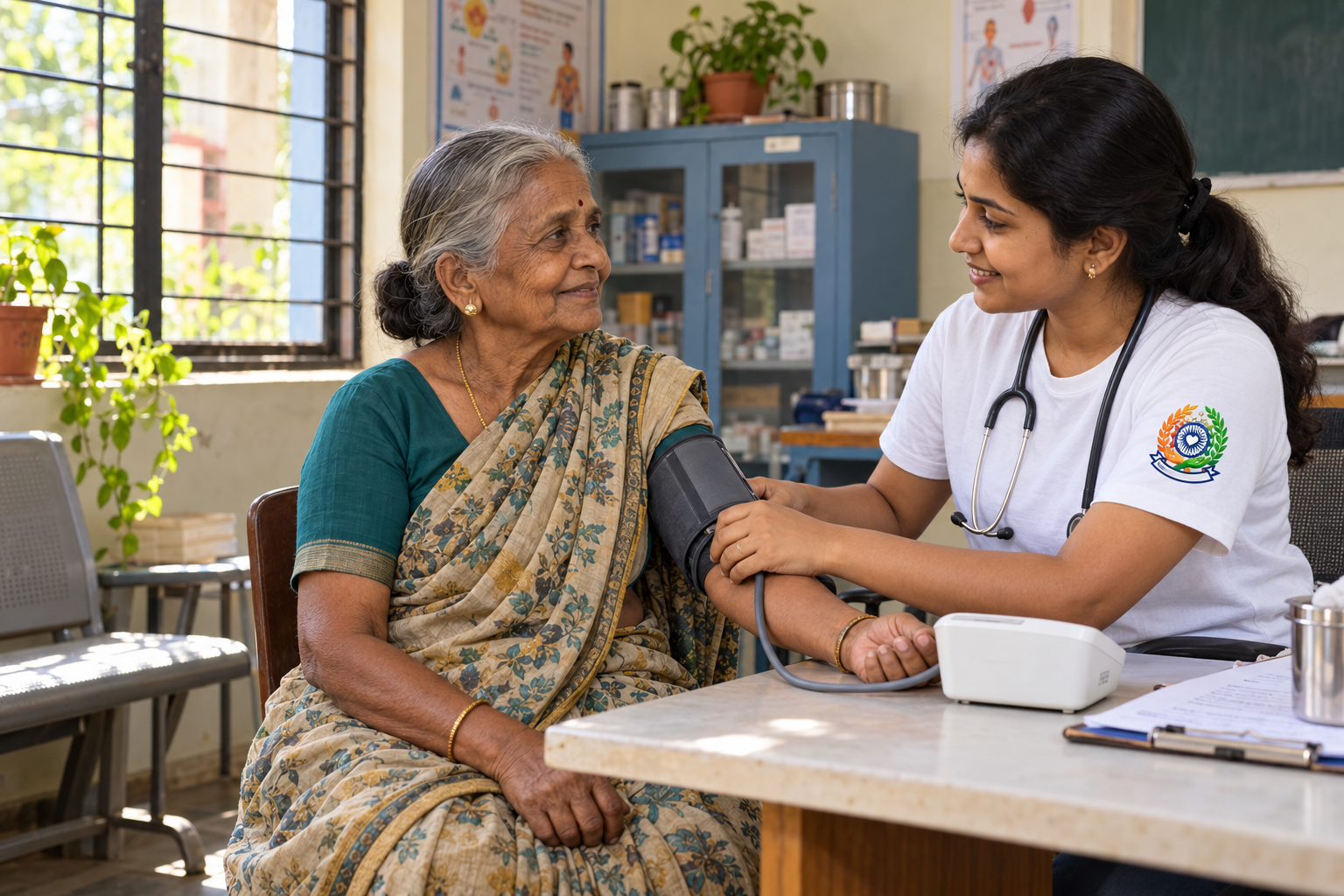
Support beyond money

Your time, skills and resources
can make room for care.

Offer what is useful, and let us agree how it fits. Please confirm requirements before purchasing, delivering supplies or arranging patient contact.

01

Medical time

Licensed clinicians, child-health specialists, nurses and diagnostic providers can offer agreed sessions or concessional services. Clinical responsibility and follow-up arrangements must be clear.

Offer support ↗
02

Hospital & diagnostic partnerships

Offer consultation slots, diagnostic concessions or eligible treatment support. Confirm the services, rates, referral route and billing process before cases are assigned.

Offer support ↗
03

Space & logistics

Offer accessible camp space, privacy screens, seating, transport coordination or registration support. Suitability, safety and permissions should be agreed before use.

Offer support ↗
04

Patient navigation

Volunteer for appointment coordination, language support and practical follow-up after orientation. Patient information should be shared only with consent and on a need-to-know basis.

Offer support ↗
05

Caregiver essentials

Offer requested hygiene items, meals or travel assistance for eligible caregivers. Confirm quantities and delivery arrangements first; do not send unsolicited medicines.

Offer support ↗
06

Equipment & approved supplies

Offer appropriate equipment or requested supplies through the clinical partner. Condition, maintenance, expiry, suitability and acceptance must be checked before donation.

Offer support ↗

Offer → agree → arrange → acknowledge

Tell the trust what you can offer, your location, quantities or qualifications and availability. Agree suitability, responsibilities, documentation and any costs before delivery or service. Record accepted contributions and their intended use.

In-kind support may reduce the relevant cash requirement after acceptance. It should be recorded separately from money received; unconfirmed offers are not funds raised.

Compassion with accountability

Carefully considered.
Clearly recorded.
Respectfully shared.

Before launch, appoint a programme coordinator, qualified clinical lead, patient-navigation lead and finance contact. Agree provider responsibilities, escalation arrangements, consent and record access.

Clinical care is delivered by appropriately qualified professionals and providers. HDW Trust coordinates support and approved assistance; volunteers do not diagnose, prescribe or substitute for medical care.

  • Approve before spendingRecord the referral, assessment, agreed contribution and authorisation. Prefer traceable payments to verified providers against invoices where practical.
  • Report meaningful activityTrack unique attendance, child/adult reach, referrals, approved assistance and follow-up. Distinguish a referral made from care actually received.
  • Protect patient privacyUse anonymised sponsor reports. Share identifiable health information only with appropriate consent and access controls.
  • Review monthlyReport spending against budget, outstanding referrals, unused reserves and practical barriers. Review scope before the optional extension.
NGO Darpan IDKA/2026/1216501
Darpan ID StatusActive
Visit NGO Darpan ↗

Before you become a partner.

Are the camps confirmed or already operating?

This is a planning and sponsorship proposal. Five camps of 200 people each are the intended model. The start date, venues, clinical partners and exact schedule remain pending.

Does every attendee receive treatment funding?

No. Treatment and navigation reserves cover assessed subsets of the 1,000-person group. Funding decisions depend on need, documentation, alternative support and available funds. Attendance does not guarantee financial assistance.

Can I support a specific child directly?

Please discuss an assessed case or a pooled child-care contribution with the trust. Any case-specific appeal requires verified details, appropriate consent, a documented budget and privacy safeguards before publication.

What documentation should I request?

Ask for the agreed programme scope, final budget, verified payment instructions, receipt process and applicable trust documentation. This page does not claim a tax deduction or CSR eligibility.

Insaniyat Har Zindagi Ke Naam

Be the helping hand
a family remembers.

A conversation with a clinician. Help reaching the next appointment.
Someone who listens when the process feels difficult.